What is Liposuction?
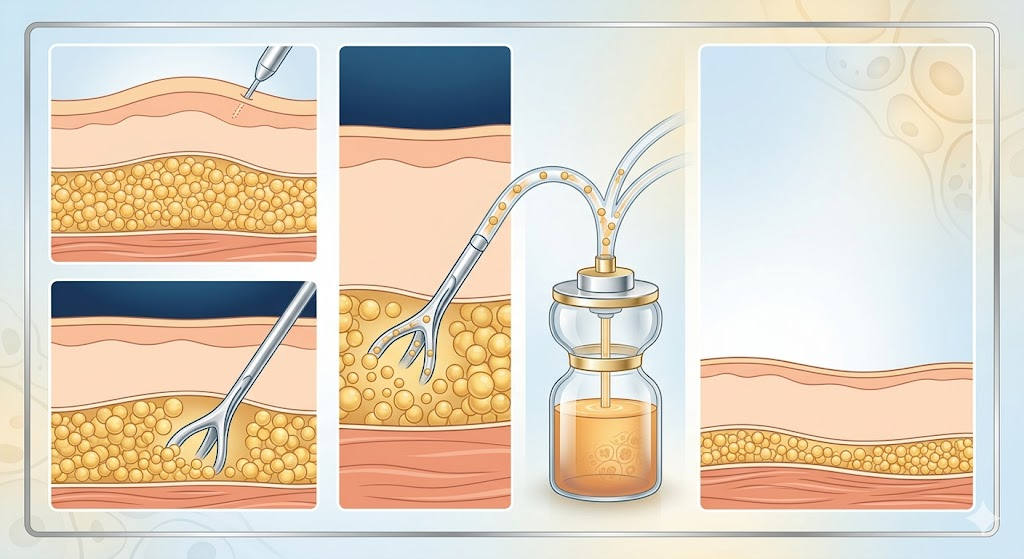
Liposuction is a minimally invasive surgical procedure that removes excess fat using a suction technique. It targets localized fat deposits that are resistant to lifestyle changes and enhances the overall body shape rather than serving as a weight-loss method.


Common Areas Treated
Liposuction can be performed on various parts of the body, including:
- Abdomen and waist
- Thighs and hips
- Arms
- Back
- Chin and neck
- Chest area (including male breast reduction/gynecomastia)
Types of Liposuction Techniques
- Tumescent Liposuction : The most common technique, where a medicated solution is injected into the fat before removal to reduce bleeding and discomfort.
- Laser-Assisted Liposuction (LAL) : Uses laser energy to liquefy fat cells, making them easier to remove and promoting skin tightening.
- Ultrasound-Assisted Liposuction (UAL): Employs ultrasound waves to break down fat cells, especially useful in fibrous areas.
- Power-Assisted Liposuction (PAL): Uses a vibrating cannula to facilitate more precise fat removal with less effort and improved results.
Procedure and Recovery
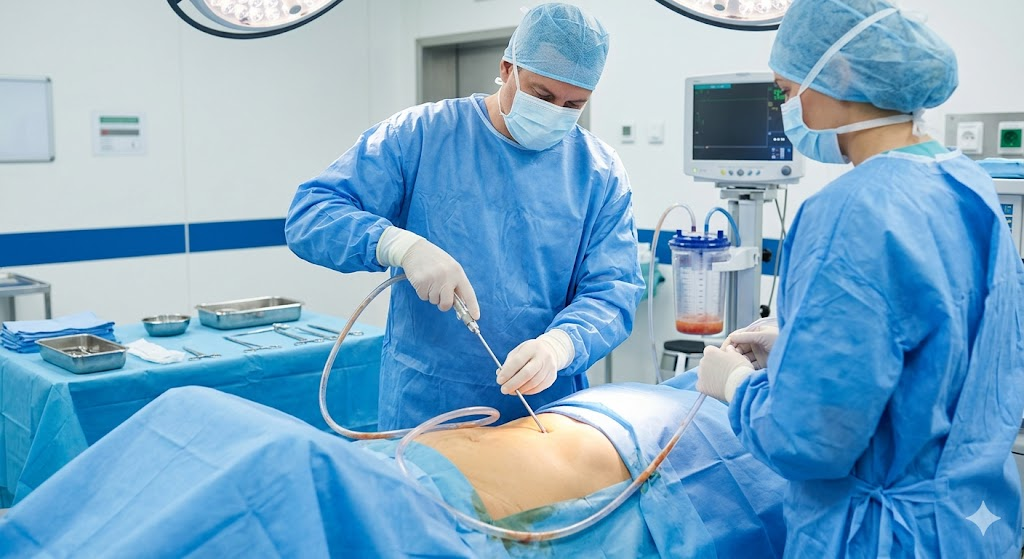
Liposuction is typically performed under local or general anesthesia, depending on the extent of the procedure.
During the procedure:
- Small incisions are made in targeted areas
- A thin tube (cannula) is inserted to break up and suction out fat
- The area is sculpted to achieve a natural contour
After surgery:
- Swelling, bruising, and mild discomfort are common
- Compression garments are worn to support healing
- Most patients return to normal activities within 1–2 weeks
- Final results appear gradually over a few months
Benefits of Liposuction
- Removes stubborn fat deposits
- Enhances body shape and definition
- Improves confidence and self-image
- Provides long-lasting results with proper lifestyle maintenance