Introduction
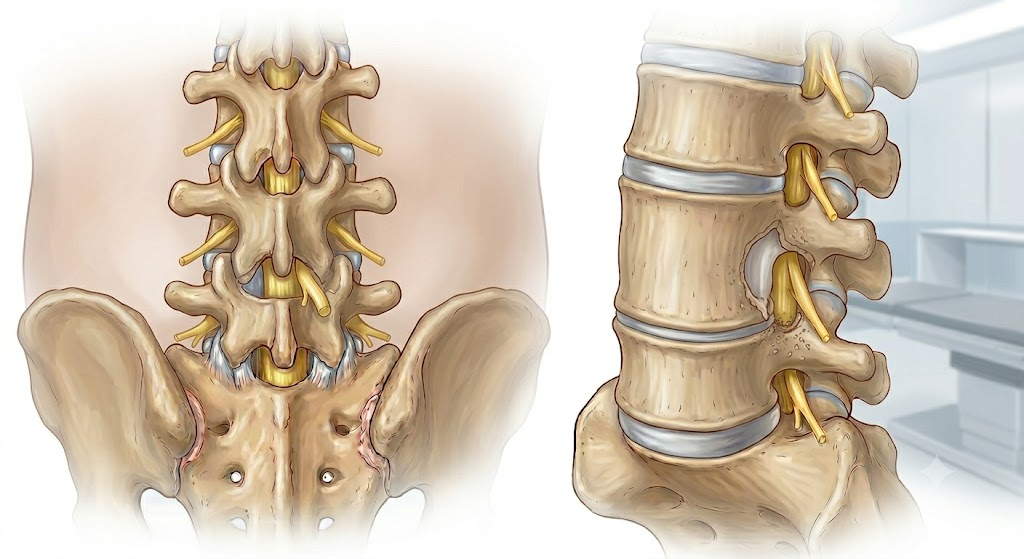
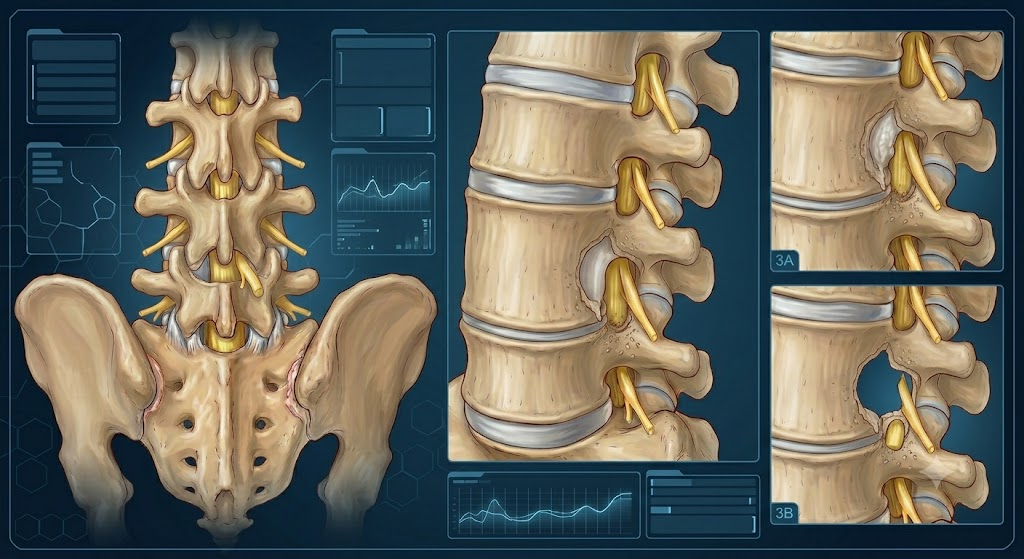
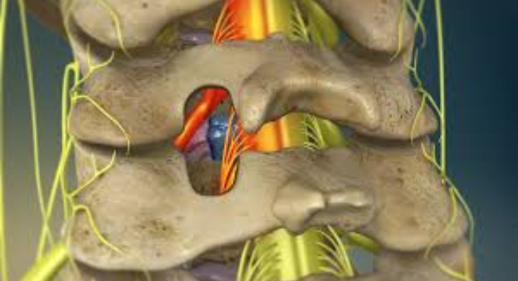
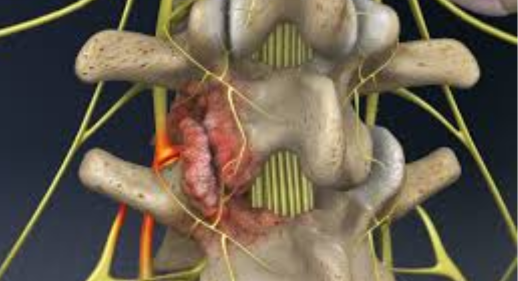
Foraminotomy is a specialized spinal decompression surgery performed to relieve pressure on spinal nerves caused by narrowing of the neural foramina. The neural foramina are small openings between the vertebrae through which spinal nerves exit the spinal canal. When these openings become narrowed due to spinal degeneration, arthritis, herniated discs, or bone spurs, nerves may become compressed, causing pain, numbness, tingling, and muscle weakness.
The goal of Foraminotomy is to enlarge the narrowed foraminal space and relieve pressure on the affected spinal nerves. The procedure is commonly performed in the cervical spine (neck) and lumbar spine (lower back) to improve mobility and reduce chronic nerve pain.
Modern minimally invasive spine surgery techniques have made Foraminotomy safer, more precise, and associated with faster recovery and fewer complications.
What is Foraminotomy?
Foraminotomy is a surgical decompression procedure in which the surgeon removes bone, tissue, or disc material that is compressing a spinal nerve within the neural foramen.
By enlarging the nerve opening, the procedure helps restore normal nerve function, relieve pain, and improve mobility. Foraminotomy may be performed using traditional open surgery or minimally invasive spine surgery techniques.
- Relieves spinal nerve compression
- Reduces neck and back pain
- Improves nerve function
- Enhances mobility and flexibility
- Helps restore quality of life
Conditions Treated with Foraminotomy
- Foraminal Stenosis
- Herniated Disc
- Degenerative Disc Disease
- Bone Spurs
- Spinal Arthritis
- Sciatica
- Cervical Radiculopathy
- Chronic Nerve Compression
Diagnosis Before Foraminotomy
- Physical Examination
- MRI Scan
- CT Scan
- X-rays
- Electromyography (EMG)
- Nerve Conduction Studies
Recovery After Foraminotomy
Recovery after Foraminotomy depends on the patient’s health, the severity of spinal nerve compression, and the type of surgical technique used. Many patients experience relief from nerve pain soon after surgery.
Immediate Postoperative Recovery
- Patients are monitored after surgery
- Walking may begin within a few hours
- Pain medications help manage discomfort
- Many patients return home the same day
Physical Rehabilitation
- Improves flexibility
- Strengthens spinal muscles
- Enhances posture
- Restores mobility
Returning to Normal Activities
- Light activities may resume within weeks
- Heavy lifting should be avoided initially
- Full recovery may take several weeks
Benefits of Foraminotomy
- Effective pain relief
- Improves nerve function
- Preserves spinal motion
- Enhances mobility and comfort
- Minimally invasive treatment options
- Improves overall quality of life