Diabetic Foot Surgery – Advanced Treatment for Diabetic Foot Ulcers & Limb Preservation
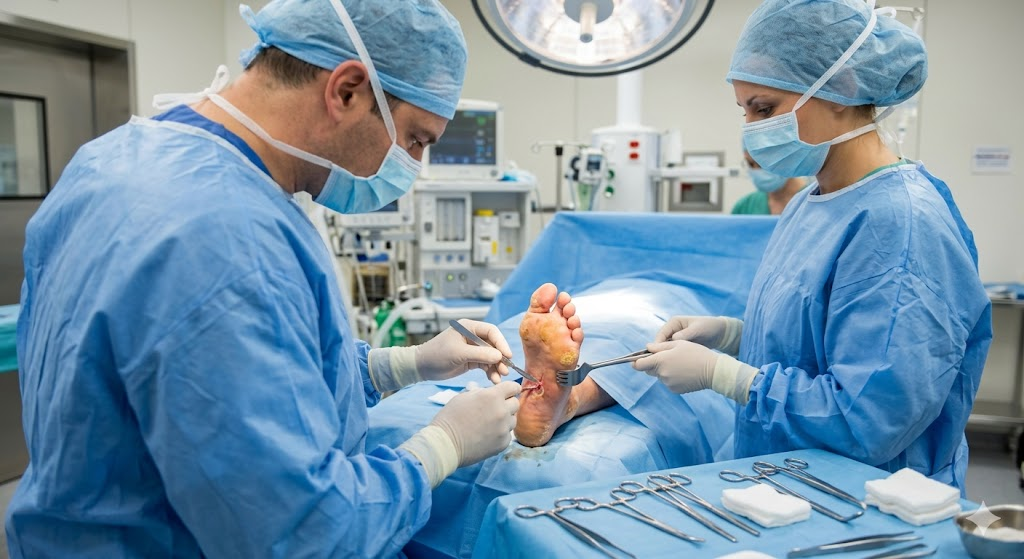
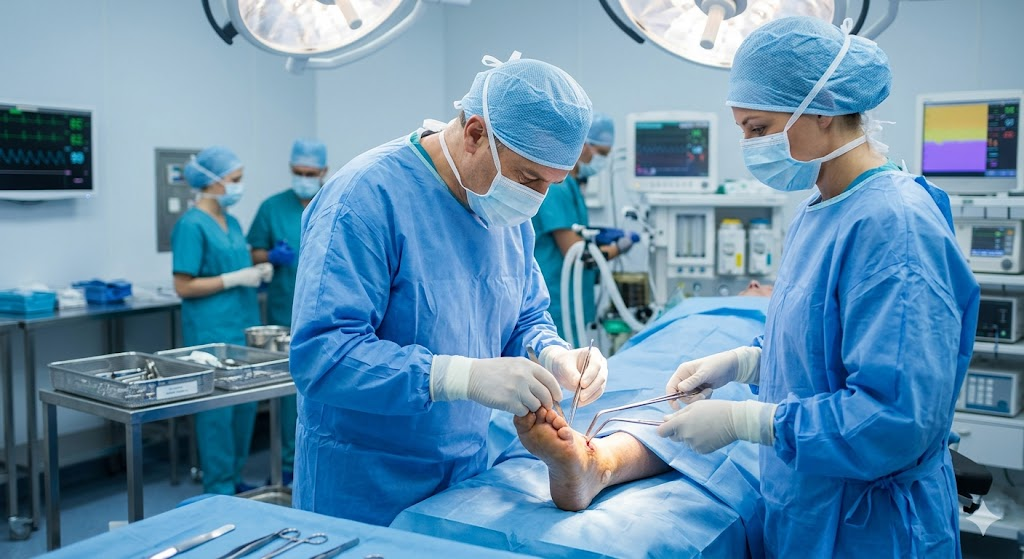
Diabetic Foot Surgery is a specialized surgical procedure used to treat severe foot complications caused by diabetes. Diabetes can damage blood vessels and nerves, reducing circulation and sensation in the feet. As a result, even minor injuries may develop into serious infections, ulcers, tissue damage, or non-healing wounds.
Without proper treatment, diabetic foot complications can lead to severe infection, gangrene, deformity, and even amputation. Modern Diabetic Foot Surgery focuses on wound healing, infection control, tissue preservation, and limb salvage to help patients maintain mobility and quality of life.
What Is Diabetic Foot Disease?
Diabetic foot disease refers to foot problems that occur due to long-term diabetes-related complications such as:
- Poor blood circulation
- Nerve damage (neuropathy)
- Reduced wound healing
- Increased infection risk
- Ankles
- Elbows
- Shoulders
These problems may lead to:
- Foot ulcers
- Skin breakdown
- Bone infections
- Tissue death
- Foot deformities
Early diagnosis and treatment are essential to prevent serious complications.
Common Diabetic Foot Conditions
Diabetic Foot Surgery may be required for:
Diabetic Foot Ulcers
- Open wounds that fail to heal properly.
Foot Infections
- Bacterial infections affecting skin, soft tissues, or bone.
Gangrene
- Tissue death caused by severe infection or poor circulation.
Abscess Formation
- Pockets of infection beneath the skin.
Charcot Foot
- Severe foot deformity caused by diabetic nerve damage.
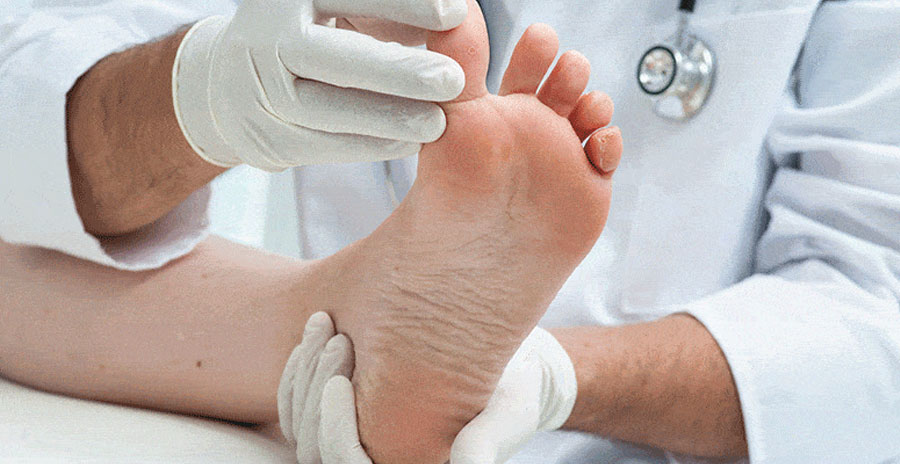
Symptoms of Diabetic Foot Problems
Common warning signs include:
- Non-healing wounds
- Swelling
- Redness
- Foot pain
- Numbness
- Foul-smelling discharge
- Blackened skin
- Warmth around the wound
- Difficulty walking
Goals of Diabetic Foot Surgery
- Remove infected tissue
- Promote wound healing
- Restore blood flow
- Preserve the limb
- Reduce pain
- Correct deformities
- Prevent infection spread
- Improve mobility
Modern diabetic foot care prioritizes limb salvage whenever possible.

Recovery After Diabetic Foot Surgery
Recovery depends on:
- Severity of disease
- Type of surgery performed
- Blood sugar control
- Circulation status
- Wound care compliance
Patients may require:
- Specialized wound care
- Antibiotics
- Offloading footwear
- Physiotherapy
- Regular follow-up care
Careful monitoring supports proper healing.
Modern Advances in Diabetic Foot Care
Advanced diabetic foot treatments now include:
- Vacuum-assisted wound therapy
- Advanced dressings
- Microsurgical reconstruction
- Vascular interventions
- Regenerative therapies
- Limb salvage procedures
These innovations improve healing and reduce amputation risk.